The Problem

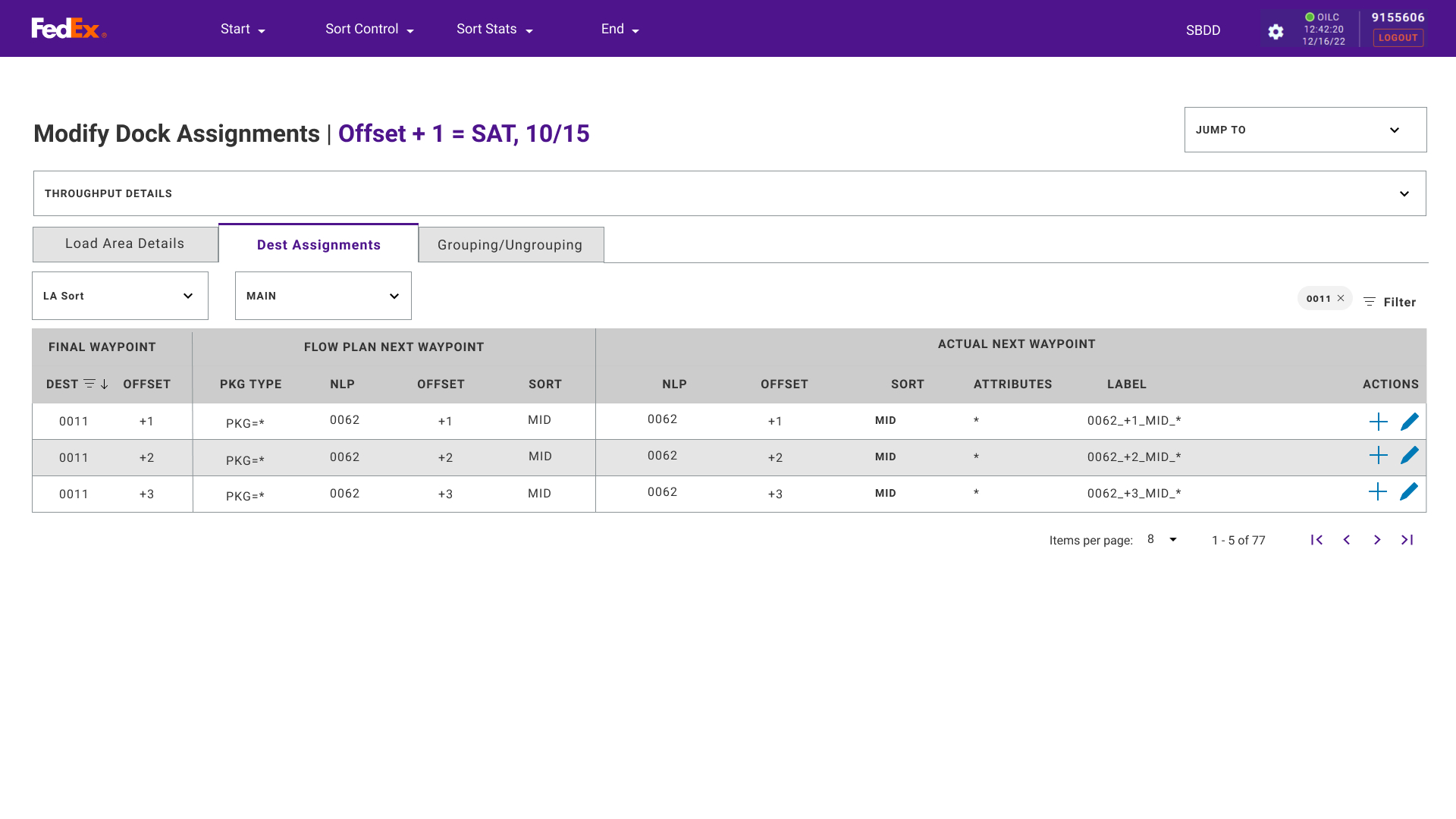
FMA users needed a more efficient way to filter large datasets, but existing solutions created friction rather than clarity.

Filtering options were difficult to scan, hard to manage, and didn’t scale well as complexity increased. At the same time, stakeholders wanted more powerful filtering capabilities without overwhelming users.

The challenge was to design a system that balanced flexibility with usability, allowing users to refine results quickly without losing visibility or control.

My Contributions

  • Led UX design for a scalable filtering system
  • Explored and iterated on multiple filtering patterns
  • Synthesized stakeholder feedback and usability concerns
  • Identified key friction points in interaction and visibility
  • Delivered a reusable filtering solution for future use

Progression

Exploring the Problem
No items found.

Initial designs focused on giving users flexible ways to filter data, including dropdown-based filters and multi-select options. While these approaches increased functionality, they introduced new challenges:

  • Dropdowns became dense and difficult to navigate
  • Multi-select interactions created visual clutter
  • Users lacked clear visibility into active filters

Feedback from the FMA Feedback Survey confirmed users weren't using the Boolean Filter at all

Identifying friction
No items found.

As designs evolved, key usability issues became more apparent through feedback and iteration.

Filters didn’t scale well
Larger datasets made dropdowns harder to navigate without search or grouping

Selected filters became overwhelming
Pill-based patterns quickly became cluttered and difficult to manage

System feedback was unclear
Users struggled to understand what filters were applied or how to reset them

These insights shifted the focus from adding features to improving clarity and control

Designing for Clarity & Scale
No items found.

The final design introduced a filtering system that balanced flexibility with usability.Key improvements included:

  • Searchable dropdowns for large datasets
  • Clear visual indicators for active filters
  • Multiple ways to clear or reset filters

The system allows users to filter efficiently without losing visibility into their selections.

Conclusion

This work established a scalable filtering system that supports both simple and complex use cases.

Rather than solving a single interaction, the solution became a reusable component within the design system, enabling consistent filtering patterns across the product.

The result was not just a more intuitive experience for users, but a foundation that allows teams to build and extend filtering functionality more efficiently over time.